Foundry to Machine Shop: End-to-End Metal Casting and Machining Solutions
Expert Machining & Machine Shop Services for Custom Industrial Parts
Professional machining and machine shop services are essential to the production of custom industrial components. These services cater to multiple industries, ensuring accuracy and excellence in every piece. Skilled machinists use advanced methods to meet specific project needs. Understanding the nuances of these processes can greatly influence product deliverables. As industries advance, so too do the technologies that drive these solutions. What does this mean for future manufacturing processes?
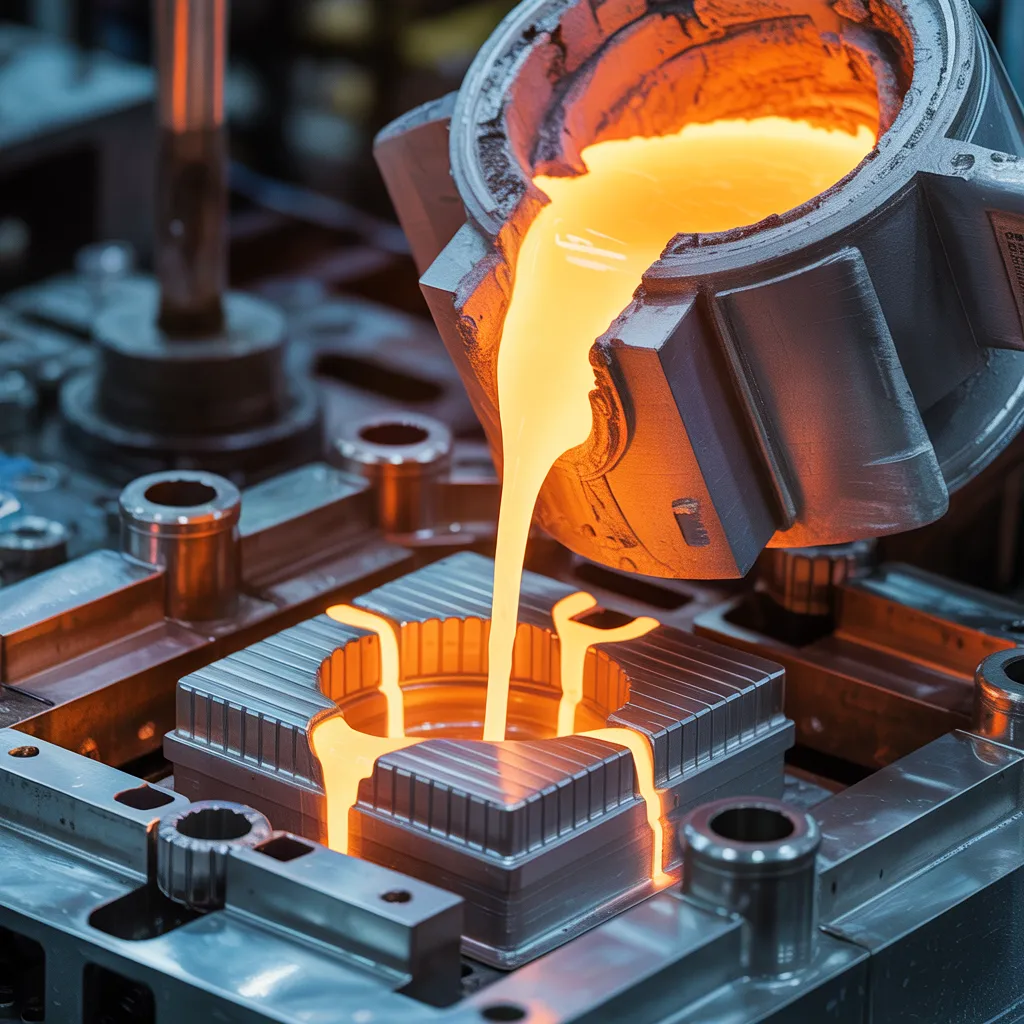
Primary Advantages of Custom Machined Parts Across Multiple Industries
Although mass-produced components have their place, custom machined parts offer clear advantages that can greatly enhance different industries. One of the principal benefits is precision; custom machining facilitates exact specifications suited to specific applications, guaranteeing superior performance. This level of accuracy minimizes the likelihood of errors and minimizes the need for adjustments during assembly.
Moreover, custom machined parts enable greater material versatility, enabling engineers to opt for suitable materials depending on the environmental conditions and performance requirements. This adaptability can considerably improve the longevity and durability of components.
Moreover, custom solutions can promote innovation, as distinctive designs can produce better functionality and efficiency. In sectors such as aerospace, automotive, and medical, where performance is vital, these advantages become imperative. Eventually, the ability to create specialized parts enhances enhanced productivity and competitiveness in numerous industries.
What Is Specialized Machining and Machine Shop Services?
Expert machining and machine shop solutions provide a comprehensive array of services designed to satisfy the requirements of diverse industries. These offerings comprise a range of processes, including high-precision machining, CNC machining, milling, turning, and grinding, enabling the manufacturing of intricate and precise components. Expert machinists use state-of-the-art technology and equipment to ensure accuracy and efficiency in producing custom parts.
Furthermore, expert machining services often include design advisory services, prototyping, and quality assurance, ensuring that the final products comply with stringent specifications and industry standards. With capabilities to work with a extensive variety of materials, from metals to plastics, these machine shop solutions cater to sectors such as aerospace, automotive, medical, and energy. By leveraging expertise in machining techniques and industry understanding, these service providers help organizations attain their production goals while maintaining top-tier outcomes.
Picking the Right Machining Partner: Key Considerations to Consider
When choosing the ideal machining partner, what vital factors should be factored in? To begin with, the partner's skill and experience in the specific industry must be examined. This includes analyzing their expertise in specific materials and processes relevant to the project. Additionally, the machining capabilities should meet project requirements, such as precision, complexity, and volume.
An additional key factor is the quality assurance methods in place. A reputable partner will have robust quality control measures to certify that all parts meet industry standards. Customer service and communication are just as crucial, as a collaborative relationship can support better project execution.
Finally, cost-effectiveness should be considered, striking a balance between quality with budget constraints. A comprehensive assessment of potential partners according to these criteria can lead to a productive collaboration, in the end resulting in high-quality custom parts that meet or exceed expectations.
How Modern Technologies Are Transforming Machining Services
Progress in technology are substantially transforming machining services, boosting effectiveness and precision in the production of custom parts. The integration of computer numerical control (CNC) machines facilitates automated and highly precise operations, decreasing human error and enhancing output consistency. Furthermore, the adoption of additive manufacturing technologies enables complex geometries to be created with minimal waste, therefore promoting sustainability.
Technological developments, including CAD and CAM, support improved design and simulation processes, permitting engineers to visualize and test components prior to physical production. Moreover, real-time data analytics and IoT connectivity enhance monitoring and maintenance, causing reduced downtime and optimized production schedules.
These technological innovations not only simplify operations but also help machine shops to respond more swiftly to market needs. As a result, firms can offer bespoke solutions while sustaining competitive pricing and shorter lead times, ultimately transforming machine shop the landscape of machining services.
Guiding Through the Procedure: From Proof of Concept to Complete-Scale Manufacturing
Though shifting from prototype to comprehensive production can be challenging, a structured process can facilitate this journey. To begin with, clear specifications and design documentation are crucial, guaranteeing that all stakeholders recognize the project requirements. Subsequently, a thorough evaluation of production abilities, materials, and technology must be conducted to establish the most suitable methods.
Following this, a pilot run is typically implemented to evaluate the manufacturing process, facilitating the identification of potential issues before full-scale production starts. During this phase, collaboration between engineers and production teams assists in refine techniques for efficiency and quality assurance.
When pilot validation is complete, scaling up production requires meticulous planning, encompassing allocation of resources and management of timelines. Constant monitoring and feedback processes will help maintain quality and adapt to any unexpected challenges. By adhering to these steps, companies can successfully transition from prototype phase to full production scale, securing both product integrity and operational efficiency.
Common Questions
Which Materials Are Suitable for Custom Machined Parts?
Multiple materials can be applied for custom machined parts, including aluminum, steel, titanium, brass, and plastics. The selection depends on factors including strength, weight, corrosion resistance, and the specific application requirements.
What's the Best Way to Ensure Design Accuracy in My Specifications?
To guarantee design accuracy in specifications, one should make use of precise measurement tools, create thorough drawings, engage in thorough reviews, and collaborate with experienced engineers. Regular feedback and iterative prototyping can also enhance overall precision and reliability.
What Is the Average Turnaround Time for Custom Machining Projects?
Common turnaround time for custom machining projects fluctuates, typically ranging from several days to a number of weeks. Elements affecting this include project complexity, materials availability, and the shop's current workload, affecting overall production schedules.
Are There Minimum Order Quantities for Custom Machined Parts?
Normally, custom machined parts are subject to minimum order quantities, which can fluctuate in relation to the sophistication, material, and machining processes involved. These stipulations deliver effective production and cost-effectiveness for both the manufacturer and the client.
How Do I Properly Maintain My Custom Machined Parts After Production?
For maintaining custom machined parts after production, consistent cleaning, lubrication, and inspection for wear are necessary. In addition, storing parts in a controlled environment can avoid corrosion and lengthen their operational lifespan significantly.